
Small Rooms, Big Conversations: Why Intimate Business Events Matter
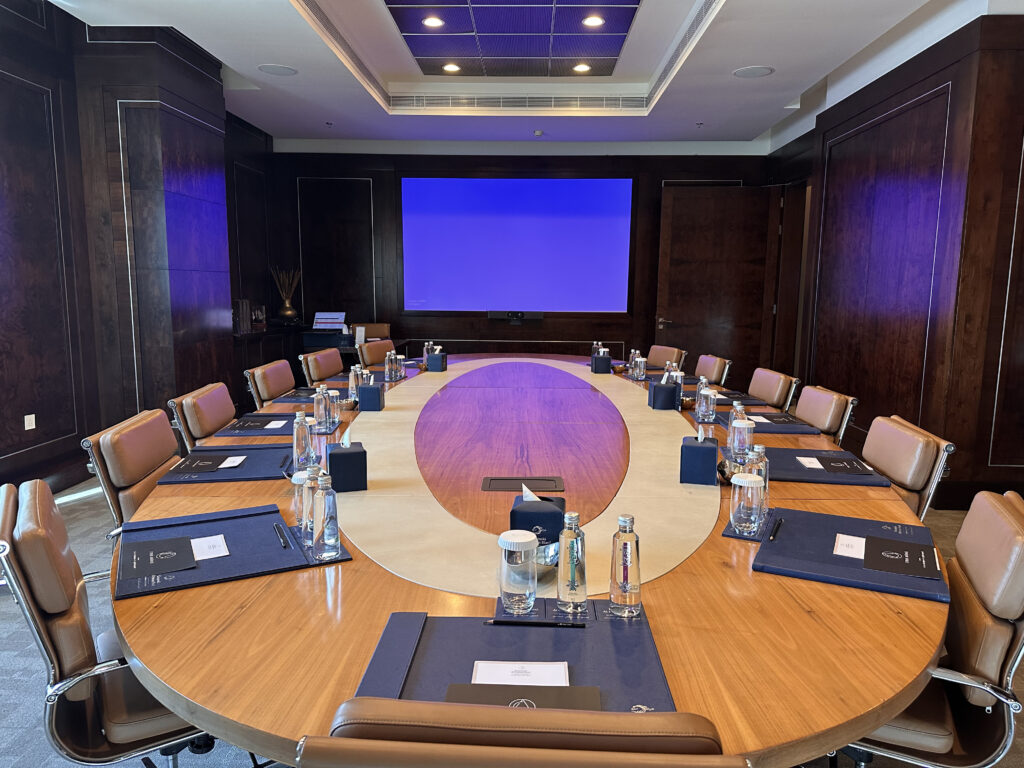
Small Rooms, Big Conversations: Why Intimate Business Events Matter Not every business conversation needs a stage, a ballroom, or hundreds of attendees. Sometimes, the most valuable conversations happen around a table with a carefully selected group of people who have something relevant to say. As business events continue to evolve, there is growing value in creating experiences that feel less like traditional corporate gatherings and more like genuine conversations. For senior decision-makers, time is limited. They are unlikely to remember another crowded networking event, but a thoughtful discussion with the right people can stay with them long after the evening ends. The right people matter more than a bigger audience A successful executive event is not necessarily defined by how many people attend. It is often about who is in the room. Bringing together a focused group of C-level executives, VPs, directors, or industry leaders creates space for more relevant discussions. Instead of trying to speak to everyone, the conversation can focus on shared challenges, emerging trends, business priorities, and ideas that matter to the people attending. This is the thinking behind intimate boardroom experiences, where around 10–12 decision-makers can come together in a setting designed for meaningful interaction rather than a long list of presentations. Events should feel like conversations, not sales pitches One of the biggest differences between an ordinary corporate event and a well-designed executive experience is the tone. People do not want to spend an evening listening to back-to-back product presentations. They want to exchange ideas, hear different perspectives, and discuss issues that affect their industries. That is why a short presentation can work better than a lengthy sales pitch. The focus shifts from selling to starting a conversation. As the discussion develops naturally, relationships have the opportunity to continue beyond the event. An experienced moderator can also make a significant difference. A good moderator keeps the discussion moving, encourages participation, and helps create an environment where guests feel comfortable contributing. The experience starts before the event What guests experience on the day is only one part of the process. The work begins much earlier with understanding the audience, identifying relevant prospects, planning the format, selecting the right setting, and maintaining communication with invited guests. Cyber Avenue’s event journey includes audience profiling, research, targeted invitations, guest retention, event-day coordination and post-event evaluation. Audience curation is particularly important. An event can have an impressive venue and excellent hospitality, but if the people attending have little connection to the topic or to one another, the conversation may never develop. Understanding the audience first allows the format, location, discussion theme and guest list to work together. The same principle applies to follow-up. The end of the event does not have to mean the end of the relationship. A thoughtful post-event approach can help identify useful connections, continue relevant conversations and understand what the gathering achieved. This is what turns an event from a single date on the calendar into part of a longer relationship-building process. A better measure of a successful event Perhaps the most important question is not, “How many people attended?” It is, “What happened because the right people met?” A valuable executive event can open the door to new relationships, partnerships, ideas and business opportunities. It can give leaders a reason to continue a conversation that may not have happened through a conventional sales meeting or large industry event. For businesses looking to create those connections, the future of events may not be bigger. It may simply be better curated, more relevant and more human. That is where thoughtful event design can make all the difference. Have an audience in mind? Let’s start a conversation about the experience that would bring them together.